Warm Up: The Complete Guide to Gas Fireplace Installation
Gas fireplace systems provide an ideal combination of warmth and energy efficiency, converting ordinary rooms into welcoming sanctuaries. This comprehensive guide covers the critical steps needed to select and install a gas fireplace, providing both secure operation and practical functionality. From understanding the advantages to preparing for installation, every detail plays an important role. As homeowners consider these elements, they may wonder about the specific benefits and design options available. Achieving a warmer and more comfortable home starts with well-informed choices.
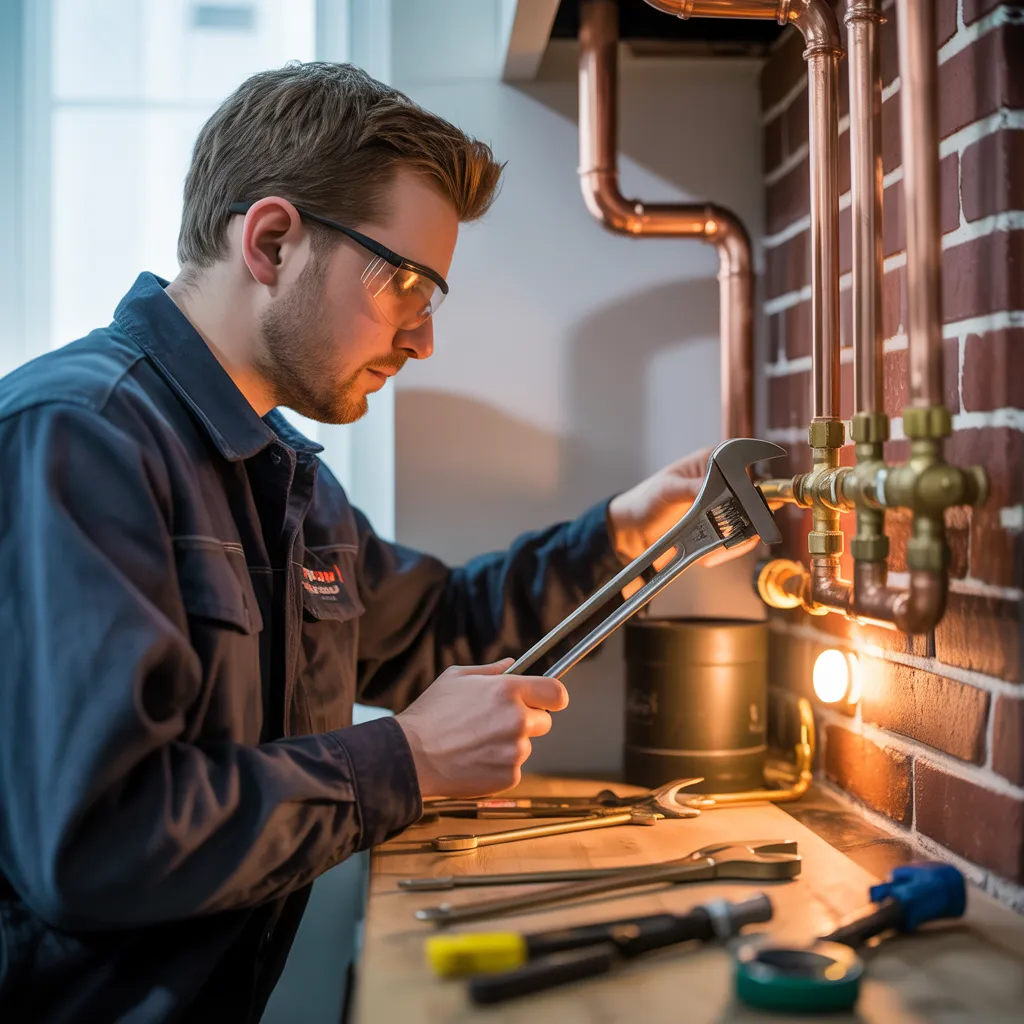
Why You'll Love Having a Gas Fireplace
A gas burning fireplace transforms a living space into a cozy retreat, providing heat and atmosphere with the easy flip of a switch. Compared to traditional wood-burning options, gas fireplaces offer the convenience of instant heat, doing away with splitting logs or managing ash buildup. Their design enables reliable heat management, positioning them as an excellent solution for year-round use.
In addition, gas-powered fireplaces can be found in a wide range of styles and designs, seamlessly blending with various interior design themes. Gas fireplaces require less maintenance than conventional wood-burning alternatives, as they produce lower levels of emissions and do not require regular chimney cleaning. This green characteristic appeals to eco-minded homeowners.
Furthermore, the protective elements of current gas fireplace models, including automatic shut-off valves and glass enclosures, contribute to peace of mind. When all is said and done, a gas fireplace not only improves the visual appeal of a home but also ensures a cozy and inviting environment for both family and guests.
Choosing the Best Gas Fireplace for Your Home
Selecting the best gas fireplace involves examining various factors to guarantee it meets both functional and aesthetic needs. Residents should first consider the size of the space, as the size and heating capacity of the fireplace must align with the space's needs. Style preferences, such as classic versus contemporary designs, play a vital role in ensuring the fireplace matches existing decor.
The type of fuel used is another key factor to consider; natural gas and propane present varying installation and performance features. Additionally, venting options—direct vent, vent-free, or B-vent—impact airflow and safety.
Energy efficiency ratings deserve careful attention; more efficient models can result in lower energy bills. Additionally, assessing the manufacturer's standing and warranty coverage can offer reassurance about the fireplace's durability and support. By thoughtfully considering these elements, homeowners can identify a gas fireplace that elevates both the warmth and aesthetic appeal of their living area.
Important Installation Elements for Gas Fireplaces
When setting up a gas fireplace, thoughtful attention to placement is essential for peak performance and safety. Furthermore, knowing the venting specifications is critical to secure appropriate airflow and adherence to guidelines. These factors play a significant role in the overall effectiveness and functionality of the gas fireplace.
Site Selection Factors
Picking the right location for a gas-powered fireplace is crucial for maximizing its efficiency and safety. Factors such as room size, layout, and existing structures greatly impact this choice. For best results, the fireplace should be installed in a central location to ensure even thermal distribution throughout the area. Closeness to existing gas lines is also essential, ensuring an seamless installation process. Moreover, accounting for adequate clearance from flammable materials and compliance with local building codes is required for overall safety. Existing vents and natural light sources should be considered to enhance both functionality and aesthetics. In summary, a thoughtfully chosen location boosts the fireplace's overall efficiency while contributing to the overall design and comfort of the room.
Venting Requirements Guide
Adequate venting is an essential component of gas fireplace installation that considerably influences overall performance and safety. There are two main venting options: direct vent and vent-free. Direct vent fireplaces require a double-walled pipe that expels gases outside while drawing in fresh air, ensuring proper combustion. This system is frequently chosen for its safety benefits and efficiency. Vent-free models, in comparison, do not require external venting and can be more versatile in installation, but they may raise indoor air quality issues due to the emission of combustion byproducts. It is critical for homeowners to check local building codes and regulations pertaining to venting specifications, as these can differ significantly and may determine the most appropriate and safe installation approaches.
Preparing Your Area for Installation
Getting ready the location for installing a gas fireplace is a crucial step that ensures safety and peak performance. First, the area should be free from any decorations, furniture, or flammable materials, creating ample room for the installation process. This not only secures safety but also provides easy access for the installer. Furthermore, evaluating the existing framework is essential; ceilings, walls, and floors should be inspected for any needed adjustments or reinforcements to handle the fireplace's heat output and weight.
Moreover, verifying appropriate ventilation is important. Property owners should determine potential spots for venting and inspect for any obstacles in the planned pathways. Finally, consulting local building rules and guidelines can help avoid future issues. By thoroughly preparing the space, households can develop a favorable environment for a effective gas fireplace installation, increasing both efficiency and safety.
What Are the Steps to Install Your New Gas Fireplace?
Setting up a new gas fireplace involves several essential steps to guarantee proper operation and security. First, the installer must select an suitable location, verifying adequate clearance from combustible materials. Subsequently, the gas line should be installed, usually demanding the use of a qualified professional to comply with local regulations. The fireplace unit is then placed in the specified area, ensuring it is properly aligned and stable.
Ventilation plays a vital role; the installer must connect the venting system according to the manufacturer's specifications visit this page to guarantee adequate exhaust flow. After that, the front panel and decorative elements of the fireplace are secured in place. When the fireplace unit is fully installed, it is important to check all connections for gas leaks by applying a soap solution. As a final step, the fireplace should be carefully inspected to confirm that it operates correctly before being used. When installed properly, the fireplace benefits from improved efficiency while also supporting the overall safety of the residence.
Important Safety Guidelines During Installation
While gas fireplace installations deliver warmth and atmosphere, taking safety steps during installation is critical to minimize risks. Proper ventilation is important; technicians must confirm that flue and vent systems are correctly placed to eliminate the risk of carbon monoxide concentration. Prior to starting the process, checking local building codes and obtaining necessary permits can prevent potential legal issues.
Gas lines need to be examined for leaks by applying a soap solution, and all connections must be firmly secured. It is equally important to utilize suitable materials, such as fire-resistant surrounds, to lower the chances of fire hazards. An electric shut-off valve ought to be mounted for urgent situations, allowing quick gas shutoff.
In conclusion, it is essential to hire a certified technician to handle the installation, making certain that all safety standards are met. Adhering to these guidelines not only enhances safety but also encourages maximum efficiency of the residential gas fireplace, offering homeowners reassurance and confidence.
How to Keep Your Gas Fireplace Running Smoothly
Upkeeping a gas fireplace requires regular attention to secure peak performance and safety. One critical step is to arrange yearly inspections by a certified professional. This verifies that all components, including the gas connections and ignition components, function properly. Periodic cleaning is just as vital; debris can obstruct airflow and affect efficiency. Property owners should carefully clean the logs, burners, and glass doors to stop soot from building up.
Checking the ventilation setup is an equally important step. The system must stay free of blockages to allow proper exhaust. Furthermore, homeowners should inspect for gas leaks by using soapy water on the fittings; the presence of bubbles signals a leak. During use, observing the flame's hue can reveal important details about efficiency; a steady blue flame indicates ideal combustion.
Finally, keeping a sufficient supply of propane or natural gas will guarantee the fireplace functions properly. By implementing these steps, homeowners can benefit from a reliable and safe gas fireplace for years to come.
Questions We Often Receive
Can a Gas Fireplace Be Installed in an Existing Wood-Burning Fireplace?
Yes, a gas fireplace can be fitted in an pre-existing wood-fired fireplace. Nonetheless, it requires thorough assessments of the construction, air circulation, and safety precautions to confirm compliance with local codes and ideal operation.
What Is the Standard Cost of Gas Fireplace Installation?
The standard cost for gas fireplace installation typically ranges from $2,500 to $5,000, depending on factors such as the location, the type of unit selected, and any required modifications to existing structures or ventilation systems.
How Regularly Should My Gas Fireplace Be Serviced?
A gas fireplace ought to be serviced every year to secure safe and optimal functionality. Scheduled maintenance evaluations assist in detecting potential problems, improve performance, and increase the longevity of the unit, ensuring a warm, cozy environment.
Are Gas Fireplaces Good for the Environment?
Gas fireplaces are generally considered more eco-friendly compared to traditional wood-burning fireplaces, as they produce fewer emissions and pollutants. However, their overall impact depends on the type of gas energy source used and applicable local regulations.
Can a Gas Fireplace Be Used During a Power Outage?
Indeed, a gas fireplace can operate during a power outage, so long as it features a standing pilot light. Nevertheless, models with electronic ignition may not function without electricity, so verifying the particular fireplace model is essential.